
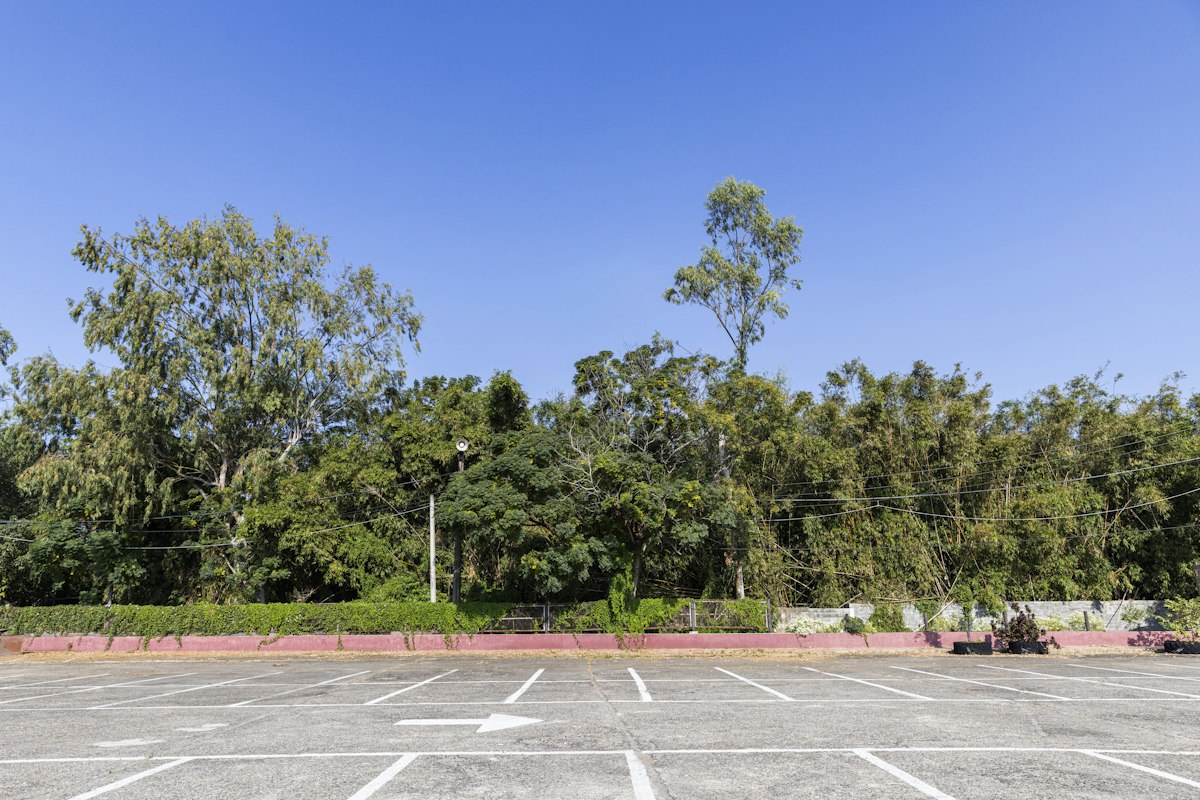
A new commercial or industrial building is rarely finished when the roof goes on. Some of the last jobs on site decide how well the place works on its first day of trading.
Line marking is one of those jobs. It often gets pushed to the final week, when the paving crew has packed up, the garden crew is in and the handover date is close. Planning it earlier saves time and avoids paying twice for the same lines.
Delineation Line Marking is a local, family-owned line marking company that works across Perth and the South West of Western Australia. Its services cover road, car park and warehouse line marking, line removal and alteration, and stencils.
This guide is for builders, project managers and owners who want the markings on a new site to be right the first time.
Treat line marking as part of the build program
Line marking depends on almost every trade that comes before it. The surface has to be laid, cured, swept and dry. Kerbs, wheel stops and bollards need to be in place. Signs should be at least set out, so the painted symbols match what drivers will see on the posts.
If the marking crew is booked as an afterthought, it can end up waiting on other trades. Worse, it can arrive to find a site that still has machinery parked where the bays need to go.
Put it on the program with a clear date. Then build a little room either side of that date for weather and late trades.
Get the surface ready before the crew arrives
Paint is only as good as the surface under it. Fresh asphalt and new concrete both need time before they are ready for marking, and the right waiting period depends on the product and the conditions.
Ask your paving or concrete contractor how long their surface needs. Pass that on to your line marker so the two trades agree on timing.
On the day, the surface should be clean and dry. Dust, loose aggregate, curing compounds and oil from site vehicles can all stop paint from bonding well. A proper sweep is a small job that makes a real difference to how long the lines last.
Work out who will actually use the site
Before anyone draws a single line, think about the people and vehicles that will move through the site once it opens. A small office car park and a busy distribution yard need very different layouts.
Some questions worth answering early:
- Will trucks, vans or forklifts share space with cars?
- Where will people walk from the car park to the front door?
- Is there a loading zone, and how will drivers reach it without reversing across a walkway?
- Do you need accessible bays, shared zones or electric vehicle bays?
The answers shape where the arrows, walkways, hatched areas and bays should go. They also help the line marker suggest the right paint and stencils for each part of the site.
Draw the layout before the paint goes down
Most commercial sites have an approved plan that shows bays, aisles and access points. Check that plan against what was actually built. Kerbs move, columns move a little during construction and garden beds can grow by half a metre between drawing and delivery.
Walk the site with the plan in hand. Mark up anything that has changed and agree on it with the client or owner before the marking crew starts.
It is far cheaper to fix a line on paper than on asphalt. Removing a painted line later takes extra equipment and time, and the old line can sometimes still be seen under certain light.
Check the standards and any approval conditions
Line marking for car parks, roads and workplaces is guided by Australian Standards. Standards Australia publishes and sells these documents, and your designer or certifier will usually know which ones apply to your project.
Development approvals can also carry their own conditions. A council might set the number of bays, the location of accessible parking or the way a driveway meets the street. Read the approval before the layout is locked in.
If any work touches a public road, there will be extra rules about traffic management and who is allowed to work there. Sort this out with the relevant road authority well ahead of time.
Delineation Line Marking says its work meets or exceeds Main Roads WA and Australian Standards. It is also a member of the Road Marking Industry Association of Australia. Those are useful points to confirm with any line marker you are thinking of using.
Plan around the weather and the site’s hours
Paint needs dry weather to go down well. Perth’s long, dry summers help, but winter fronts and early morning dew can delay a job.
The Delineation Line Marking site explains that its waterborne road marking paint can dry within 5 to 15 minutes on a hot, dry day. In cooler, humid weather it can take around 30 minutes to an hour. Allow for that when you plan how long an area needs to stay closed.
Think about access too. If the building is already partly open, or a neighbour shares the driveway, the work may need to happen in stages. The company lists weekday hours and says weekends are available on request, which can help when a site cannot close during the week.
Pick finishes that suit each area
Not every part of a site wears the same way. Areas where vehicles turn, brake or queue tend to wear faster than quiet bays at the back of a lot.
Talk with your line marker about heavy traffic areas. Options such as thermoplastic markings and raised pavement markers can suit some road and high traffic uses. Stencils for arrows, accessible bays and other symbols make the layout easier to read at a glance.
Colour matters as well. In workplaces, colours are used to signal different things, such as caution, danger or safety. Agree on a colour scheme early so it matches any signs and the client’s own safety procedures.
Leave room for changes after handover
Even a well-planned site changes once people start using it. Tenants move in, delivery patterns settle and the owner may want more bays or a new walkway.
Keep a record of the final marked layout with the handover documents. It gives the owner a clear starting point when they need to add, move or remove lines later.
If the layout changes, old markings can be removed by mechanical methods or covered with blackout paint, depending on the surface and the use. A line marker can explain which method suits the area.
A short checklist before you book the line marker
Use this list in the last few weeks of the build:
- Surface laid, cured, swept and dry.
- Kerbs, wheel stops, bollards and signs in place or set out.
- Approved layout checked against what was built on site.
- Approval conditions read and any road authority rules sorted.
- Weather window and site access agreed with the client.
- Paint and finish types discussed for heavy traffic areas.
- Final layout recorded for the handover pack.
Line marking is one of the last things people see on a new site, and one of the first things they use. A little planning near the end of the build makes the handover smoother and saves the owner from fixing it later.