
Air conditioning is one of the bigger decisions in a new build or renovation. The system you choose affects comfort, running costs and how the house looks inside and out. Getting the size and type right matters more than picking the brand with the most features. A little planning before you call for quotes can save money for years.
This guide covers the main system types, how sizing works and where units should go. It also looks at ceiling fans, insulation and shading, which can reduce how much cooling you need. The facts here come from Australian Government energy guidance for households. Prices and products change, so check current details with a licensed installer.
Start with the house, not the air conditioner
The Your Home guide to heating and cooling makes a simple point. Improving your home’s thermal performance may mean you do not need as much heating or cooling as you think. For air conditioning to work efficiently, the home should be well sealed and highly insulated. That means sorting out insulation and gaps before you size a system.
Shading helps too. The guide notes that shades and blinds, particularly external ones, can help block sunlight. It also says the outdoor compressor and your windows should be shaded from direct sun. A cooler house means a smaller system can do the job.
Ceiling fans as the first option
Fans do not cool the air or reduce humidity. They do move air across your skin, which helps you feel cooler. Your Home suggests fans should be the first appliance of choice for cooling. The energy.gov.au household cooling advice says fans cost about 2 cents per hour to run.
Ceiling fans with DC motors use about 30 watts, roughly half the energy of a traditional fan. Most fans have a summer setting that pushes air down and a winter setting that draws air up. Used with air conditioning, fans let you set the thermostat higher. Your Home suggests 25 to 27°C in summer.
Planning fan positions early is easier than adding them later. Ceiling height, room layout and light fittings all affect where a fan can go. An electrician can advise on wiring and mounting during a renovation. It is a small cost compared with a larger cooling system.
Reverse cycle systems
A reverse cycle air conditioner uses electricity to warm your home in winter and cool it in summer. Your Home describes these systems as the most energy efficient heater and cooler of all types. The energy.gov.au page explains they turn one unit of electricity into 3 to 6 units of heating or cooling. That is why they are a common choice for new homes and renovations.
Split systems
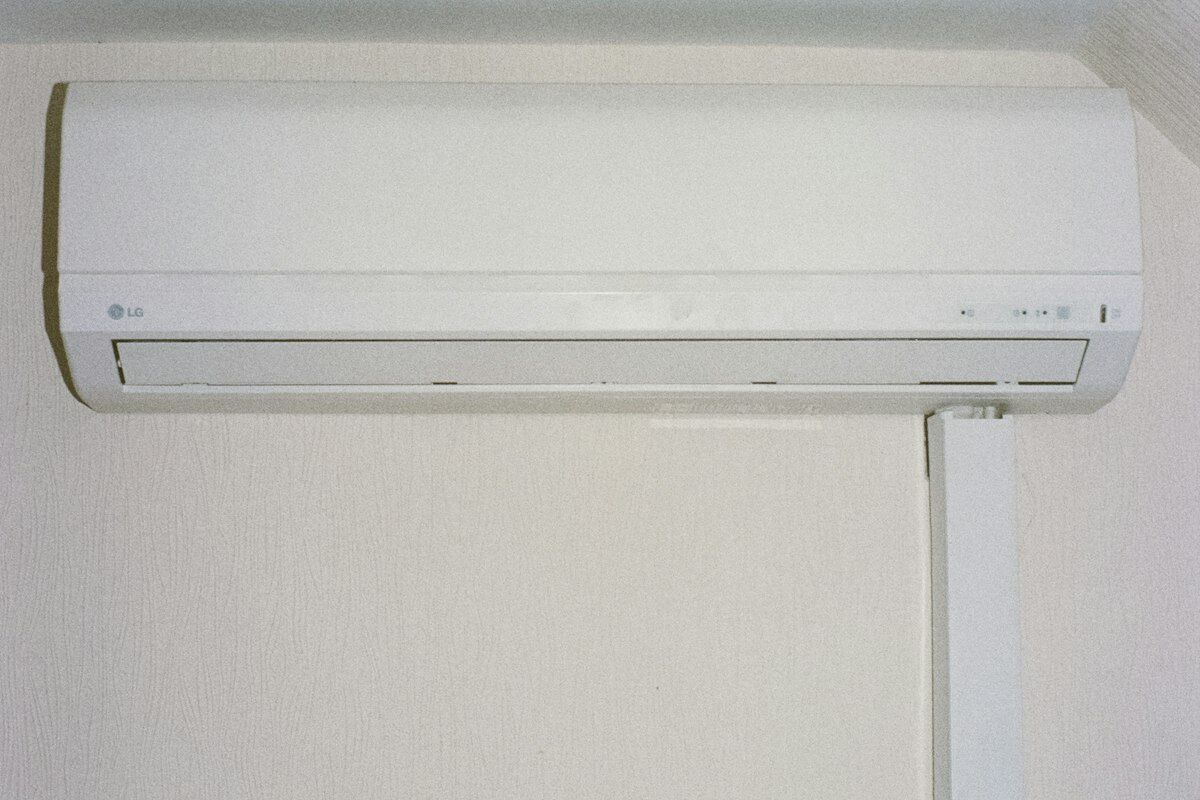
Fixed split systems have an indoor unit and an outdoor compressor. According to Your Home, they are the most efficient domestic air conditioners, especially those using inverter technology. The indoor unit can sit on the wall or floor and can be up to 15 metres from the outdoor compressor. That gives some freedom when planning where each part goes.
Ducted systems
Ducted systems cool large areas or a whole house through ducts in the ceiling or floor. Your Home says the ducts must be well insulated, to at least R1.5. Zoned systems cool only the rooms in use and allow different settings for living and sleeping areas. If you choose ducted, ask how the zones will be set up before you sign.
Portable and window units
Portable units are less efficient than fixed systems and do not work well in large rooms. The energy.gov.au page notes that labels for portable air conditioners always show a zero star rating. Window units suit smaller rooms or homes better than large spaces. For most renovations, a fixed system is the better long term choice.
Getting the size right
Size has a big effect on running costs. Your Home explains that a system that is too large will cost more money than you need to spend. A system that is too small has to run harder and uses more energy. The advice is to choose a high efficiency model of the correct size.
Sizing depends on the room, the insulation, the windows and how much sun the space gets. Your Home points to an online sizing calculator from the Australian Institute of Refrigeration, Air conditioning and Heating. You can also ask installers to size the system when they quote. Get more than one quote and compare the sizes each installer recommends.
When comparing models, look at the Zoned Energy Rating Label. It gives a seasonal efficiency rating for three climate zones across Australia. The energy.gov.au guidance says this is more accurate than the standard label. Check the rating for the zone that matches where you live.
Installation and placement
Fixed systems need to be installed by a licensed refrigeration mechanic or electrician. Your Home also says the technician needs to hold a Refrigerant Handling Licence. Ducted systems should be designed and installed by accredited experts. Ask to see licence details before any work starts.
Good installers explain their sizing and placement choices clearly. That kind of service is how many renovation businesses grow through referrals. On larger jobs, cooling and other services are checked as part of a commercial build handover. A home install deserves the same final check before you sign off.
Think about where the outdoor unit will sit. It needs shade, airflow and access for servicing. Placing it well away from bedroom windows can also reduce noise at night. Talk through these points with the installer before they drill any holes.
Running and looking after the system
Thermostat settings make a real difference to running costs. The energy.gov.au guidance says each degree you raise the cooling setpoint can save up to 10% on cooling. Each degree you lower the heating setpoint can save up to 10% on heating. Combining fans with a higher setting is an easy way to save.
Service the system according to the manufacturer’s instructions. Your Home asks owners to pay special attention to cleaning air filters. Dust caught in filters also settles through the house, so regular carpet cleaning fits into the same routine. Book a technician for anything beyond the filters.
If your home or business already has rooftop panels, it is worth thinking about cooling and power use together. A solar energy system can be part of a wider plan to cut energy costs. An efficient, well sized air conditioner fits that plan. A poorly sized one can undo some of the gains.
Frequently asked questions
Is a bigger air conditioner always better?
No. A system that is too large costs more money than you need to spend. One that is too small runs harder and uses more energy. The right size depends on the room and how well the house is insulated and shaded.
Do ceiling fans actually cool a room?
Fans do not cool the air or reduce humidity. They move air over your skin, which helps you feel cooler. They cost very little to run and let you set an air conditioner a few degrees higher.
Who can install a split system?
Fixed systems need a licensed refrigeration mechanic or electrician. The technician also needs a Refrigerant Handling Licence. Ask to see licence details before work starts.
What temperature should I set in summer?
Your Home suggests 25 to 27°C in summer. Running a fan as well helps that setting feel cooler. Each degree higher can save up to 10% on cooling, according to energy.gov.au. Small changes add up over a hot season.